Rent-to-Own or Shared Ownership?
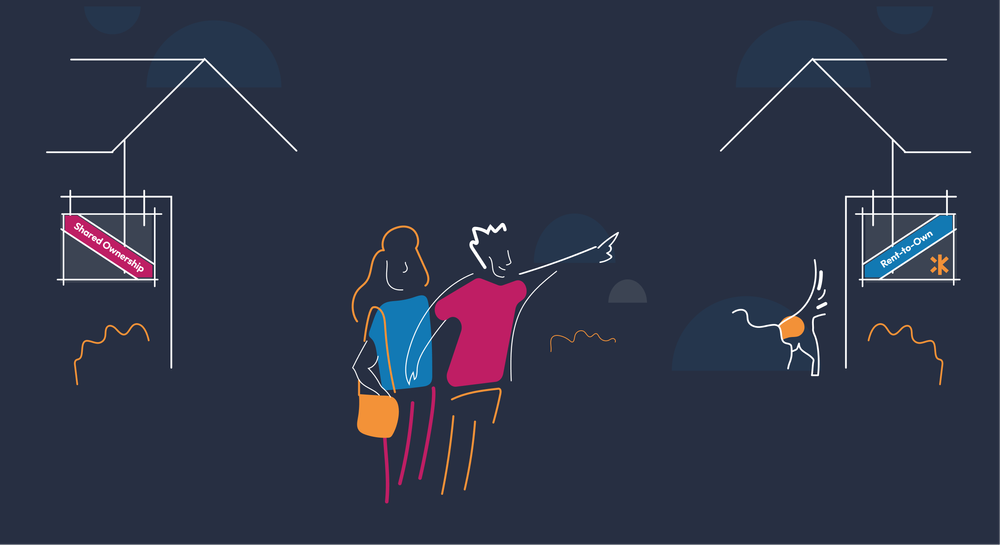
Discover how new ownership models are reshaping the way first-time buyers get onto the property ladder.


Homeownership is changing - and that’s not a bad thing. New models are opening doors the old system quietly closed, giving more people a real chance to call somewhere their own. Rather than waiting years for the “perfect” deposit or mortgage, buyers today have access to more flexible ways to move forward. Two of the most popular options are Shared Ownership and Rent-to-Own, each offering a different route into homeownership depending on where you’re starting from and where you want to go.
Understanding how these options work, and what they’re best suited for, can help you make a confident, informed decision.
What Is Shared Ownership?
Shared Ownership allows you to buy a portion of a home - typically between 10% and 75% - while paying rent on the remaining share, which is owned by a housing provider. You’ll usually need a mortgage for the share you buy and a smaller deposit than if you were purchasing outright.
Over time, many schemes allow you to increase your ownership by buying additional shares, a process known as staircasing. Eventually, you may be able to own the property outright.
Why Shared Ownership appeals to buyers
- Lower upfront deposit compared to full ownership
- A clear pathway towards owning more of your home
- Greater stability than renting
Things to consider
- You’ll pay both a mortgage and rent each month
- Rent and service charges can increase over time
- Selling the property can be more complex
Shared Ownership often suits buyers who are financially ready for a mortgage, but need help bridging the gap between renting and full ownership.
What Is Rent-to-Own?
Private Rent-to-Own (sometimes called Rent-to-Buy) allows you to rent a home with the option to purchase it later, often after a fixed period such as two years. During this time, your monthly rent is set aside to help build a future deposit or secure a purchase price.
You don’t own any share of the property at the start instead you’re leasing and using time to prepare financially.
Why Rent-to-Own works for some buyers
- No mortgage required initially
- Time to save, plan, or improve your credit and financial profile
- Flexibility if you’re not ready to commit or don’t have a deposit saved
Things to consider
- If you choose not to purchase, you may lose some benefits such as getting all of your rent back to buy, however there are other options that are also beneficial.
Private Rent-to-Own can be ideal if you’re close to being ready, need to save a deposit or tired of wasting rent each month, but need breathing space before taking on a mortgage.
Shared Ownership vs Rent-to-Own: At a Glance
| Feature | Shared Ownership | Rent-to-Own |
|---|---|---|
| Ownership from day one | Yes (partial) | No |
| Mortgage required | Yes | No (initially) |
| Deposit needed | Yes (5%-10% of the share you’re buying.) | No (your rent is converted into a deposit to buy) |
| Monthly payments | Mortgage + rent | Rent until you’re ready to buy |
| Long-term commitment | Higher | More flexible |
A Practical Example: How Each Option Might Look in Real Life
Seeing how Shared Ownership and Rent-to-Own work in practice can make the differences much clearer.
Example 1: Buying Through Shared Ownership
Alex earns £60,000 a year and wants to buy a £350,000 home, but doesn’t want to commit to the full deposit and mortgage required to buy outright.
- Alex buys 25% of the property (£87,500)
- Puts down a 5% deposit on their share (£4,375)
- Takes out a mortgage on the remaining £83,125
- Pays rent on the remaining 75% owned by the housing provider
Each month, Alex pays:
- A mortgage on their owned share
- Rent on the remaining share
- Any applicable service charges
As Alex’s income grows, they can buy additional shares over time, gradually increasing ownership without needing a large upfront deposit.
Best for: Buyers who are mortgage-ready, have some deposit and want to start building equity.
Example 2: Buying Through Rent-to-Own
Once again, Alex earns £60,000 a year and wants the same £350,000 home - but prefers time to become more mortgage-ready. They don’t yet have a deposit saved and want to live in the home before committing to buy.
- Alex moves in under a Rent-to-Own agreement
- The lease runs for two years, with no rent increases
- After two years, Alex has the option (not the obligation) to buy the home, using 100% of the rent paid as a deposit
- The purchase price is agreed upfront, so there’s no price increase over the two-year period
During those two years, Alex:
- Builds a deposit through regular rental payments
- Improves their credit profile and overall financial flexibility
- Lives in the home they plan to buy
At the end of the term, Alex applies for a mortgage and purchases the property - now with greater certainty and confidence.
Best for: Buyers who want flexibility, certainty on price, and time to prepare before committing to ownership.
Which Option Is Right for You?
The right choice depends less on what’s “better” and more on what fits your current situation.
Shared Ownership may be right for you if:
- You’re comfortable committing to a long-term ownership journey, even if you don’t own 100% straight away
- You’re mortgage-ready but want a lower barrier to entry
Rent-to-Own may suit you if:
- You’re not mortgage-ready yet or,
- You want time to strengthen your finances
- You value flexibility and certainty while you build a deposit and plan ahead
Both options are designed to move you forward, not hold you back.
Final Thoughts
Homeownership no longer has to be an all-or-nothing leap. Shared Ownership and Private Rent-to-Own reflect a shift towards more realistic, human-centred ways of buying - ones that recognise different starting points and different timelines.
The most important thing isn’t choosing the “perfect” option, but choosing one that helps you progress with confidence. To find out more about private rent-to-own visit Keyzy.com or view available rent-to-own homes today.
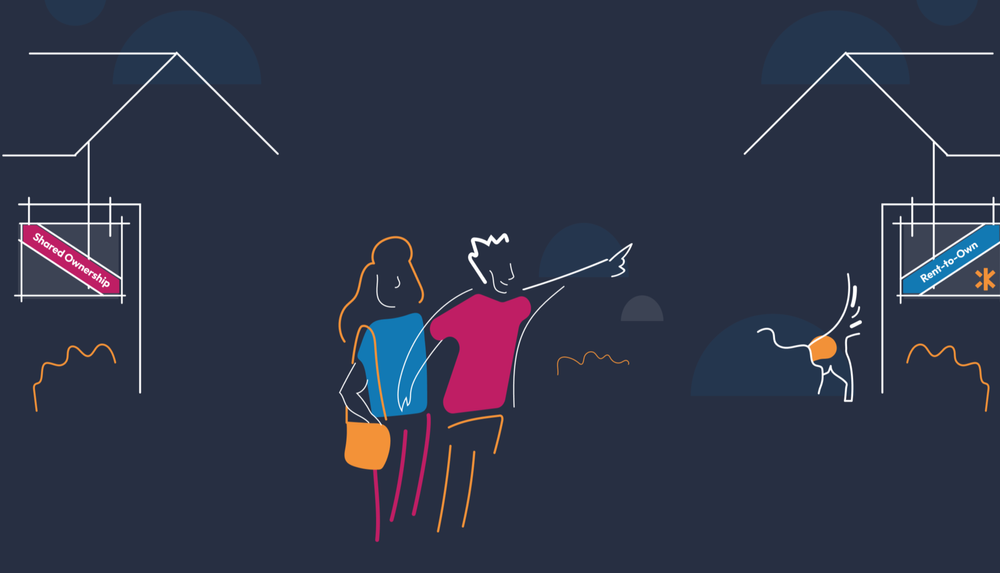
Compare rent-to-own vs Shared Ownership so you can choose which option fits your budget, timeline, and homeownership goals.